Not every conservation story ends well. Most, if followed honestly, end in compromise at best and loss at worst. Costa Rica’s story is different — and understanding why matters well beyond its borders.
Where It Started
Fifty years ago, this small Central American nation was in serious trouble. Driven by cattle ranching, agricultural expansion, and commercial logging, deforestation tore through the country at a devastating rate. By the 1970s and 80s, at least 70% of Costa Rica’s forests had been cleared. The extraordinary biodiversity that made the country remarkable — the jaguars, the cloud forest, the coral reefs, the staggering density of species packed into a landmass smaller than most US states — was disappearing fast, and the trajectory showed no sign of reversing on its own.
Then the government changed course. What followed was not a single dramatic intervention but a sustained, decades-long commitment to doing things differently.
What Changed
In 1996, clearing forests without government approval became illegal. In 1997, Costa Rica launched a payment for environmental services scheme — a program that compensated farmers and landowners directly for protecting watersheds and conserving biodiversity on their land. Conservation stopped being a burden imposed from outside and became, for the first time, an economic proposition that made sense to the people living alongside these ecosystems.
Partly inspired by the 1992 Earth Summit in Rio, the government enacted over 60 conservation-related laws and consolidated environmental oversight under a unified Ministry of Environment and Energy. The coordination mattered as much as the legislation. Policy without implementation is just paperwork, and Costa Rica invested in making the system work.
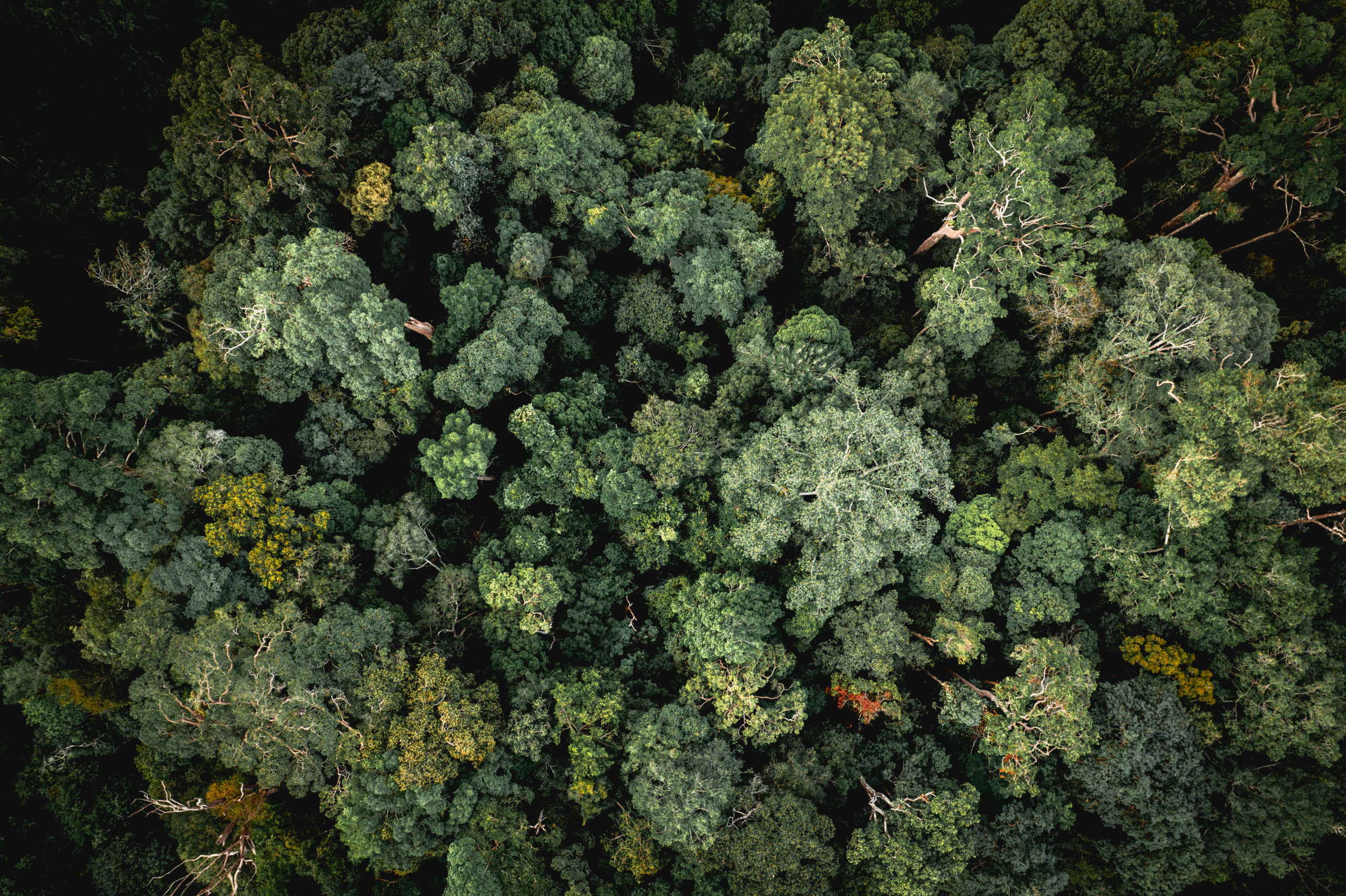
The result was something that had never happened before in the tropics: deforestation was halted, and then reversed. Forest cover, which had collapsed to roughly a quarter of the country’s land area, climbed back. Today it stands at over 50% and continues to recover.
What That Looks Like on the Ground
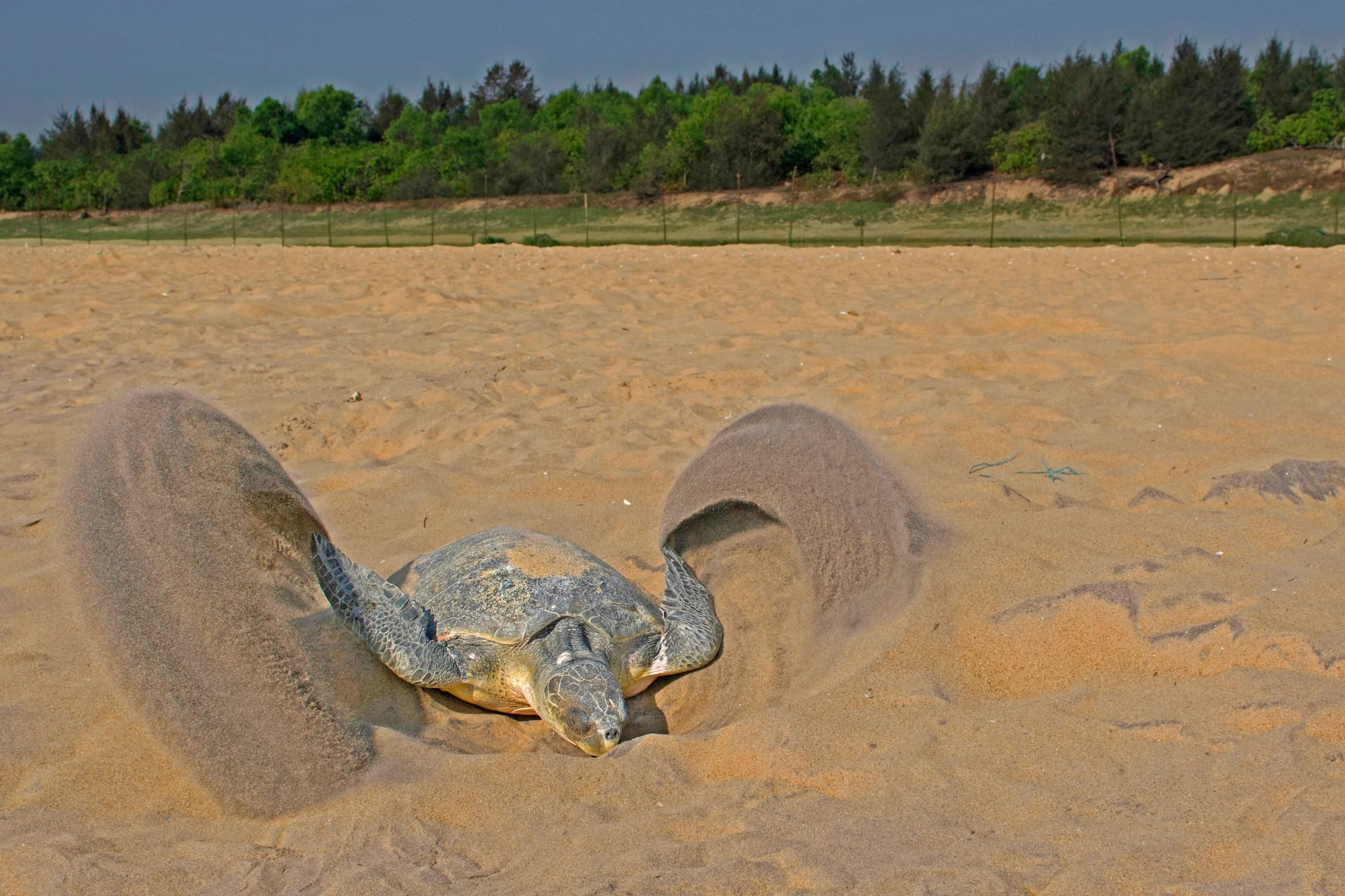
More than a quarter of Costa Rica’s territory is now formally protected within national parks, biological reserves, and wildlife refuges. A country that accounts for just 0.03% of the Earth’s land surface is home to an estimated 500,000 species — close to 5% of all known species on the planet. Over 900 bird species. More than 12,000 plant species. Jaguars still roam the Osa Peninsula. Leatherback and hawksbill turtles still return to nest on Caribbean beaches. Resplendent quetzals still inhabit cloud forests that, within living memory, were being cleared for pasture.
These aren’t just statistics. They represent ecosystems that were given the chance to come back — and did.
The economic dimension of the story has proven equally instructive. Ecotourism now generates close to $2 billion annually for the country, and nearly 40% of visitors identify nature as their primary reason for coming. The argument that conservation and economic development are fundamentally in opposition has been tested here and found wanting. Costa Rica has built a substantial part of its national identity and economy around the fact that it chose to protect what it had.
Why It Matters
Costa Rica’s story is not just inspiring — it’s usable. It demonstrates, with real evidence gathered over real decades, what becomes possible when political will, scientific knowledge, and community engagement align around a shared goal. It shows that deforestation is not inevitable, that policy can change trajectories, and that the decision to protect wild places pays returns that compound over time.
It also shows that the work is never finished. The pressures that nearly destroyed these ecosystems — land conversion, wildlife trafficking, climate stress on sensitive habitats — have not gone away. The recovery is real, but it requires constant attention.
This is why Mondo Eco-Expeditions is based in Costa Rica. There is nowhere better to understand what conservation can achieve, and no more important a place to contribute to what still needs doing.