It’s the question that stops a lot of people before they ever book the trip. The problems are enormous: habitat loss, species collapse, climate pressure, overfishing. These issues have been building for decades. What could one person, spending a few weeks in the field, possibly contribute to any of it?
It’s a reasonable thing to wonder. The honest answer is that it depends on what you mean by “difference.”
The Case for Showing Up
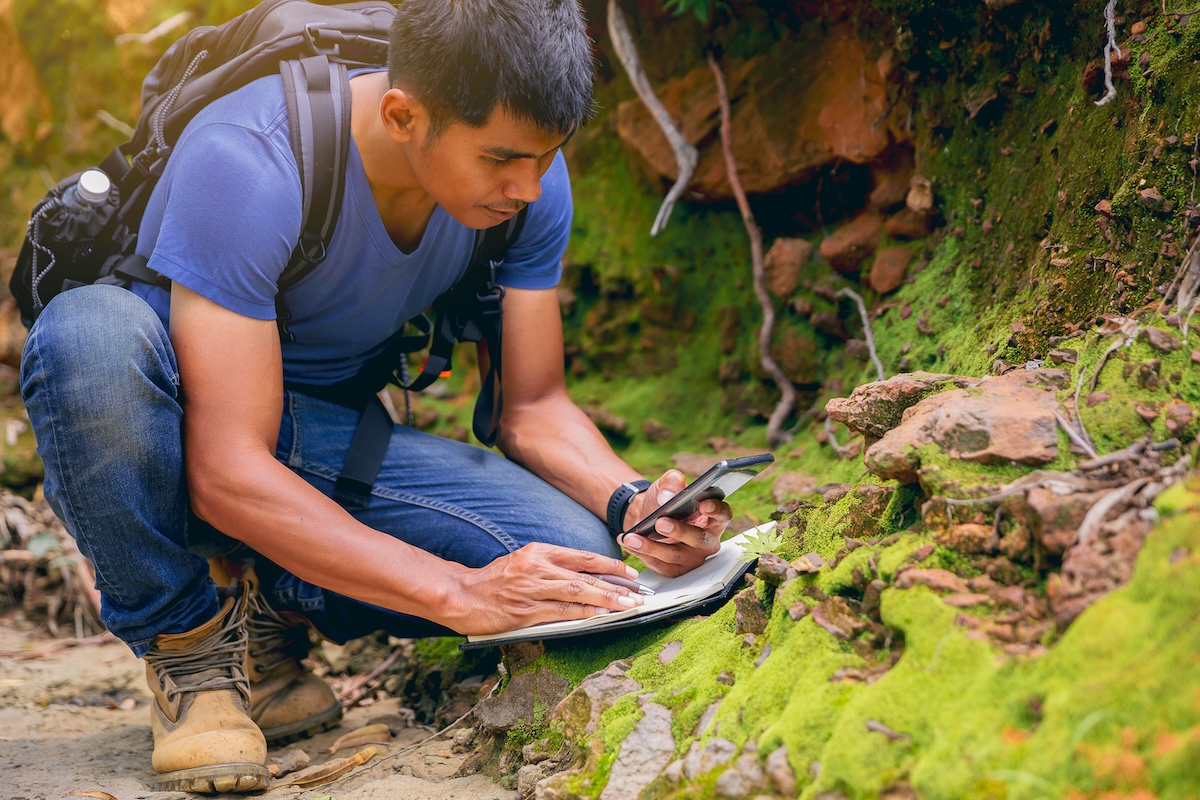
Conservation science is, at its core, a data problem. Population surveys, species counts, camera trap checks, nest monitoring logs, dive slates — none of it compiles itself. It requires people in the field, consistently, over long periods of time. The organizations Mondo works with, such as Las Oncas, Cloudbridge Nature Reserve, Caño Palma Biological Station, and Rich Coast Diving, are doing genuinely important work, and most of them are doing it with small teams and tight budgets. Additional hands extend what’s possible. That’s not a polite way of saying volunteers are welcome. It’s the operational reality.
When you spend ten days checking camera traps in the Osa Peninsula, you’re generating real data points — evidence that jaguars are present, that they’re moving through specific corridors, that the habitat connecting those corridors is worth protecting. Researchers take that evidence to governments, to funders, to landowners. It shapes land protection decisions, influences funding allocations, and feeds into policy conversations that determine what gets preserved and what doesn’t. The line between a week in the field and a protected wildlife corridor is long and indirect, but it exists.
What Comes Home With You
There’s a second argument, harder to measure but worth taking seriously. People who do this work come back different. Not in a vague, transformational-travel sense, but in a specific, concrete way. They return with a working understanding of what these ecosystems actually are, what threatens them, and what it feels like to do something useful about it.
That understanding doesn’t stay private. It moves. People talk about their experiences, shift how they spend money, show up differently in conversations about environmental policy. Some donate to the organizations they worked with. Some go back. Many raise children who grow up treating the natural world as something worth protecting rather than something that will simply always be there. The downstream effects of a single expedition are genuinely difficult to trace, but they’re real.
An Honest Note
No one person is going to reverse a biodiversity crisis. That should be said clearly. The scale of what’s happening to wild ecosystems is not a problem that individual effort can solve, and anyone suggesting otherwise isn’t being straight with you.
But conservation has never worked that way. It has always been an accumulated effort — many people, across many years, deciding that contributing something was better than contributing nothing. The researchers who’ve spent careers building baseline datasets. The local guides who know the forest. The volunteers who add three weeks of field hours to a project that needs ten thousand. It all compounds.
So the real question isn’t whether one person can save the rainforest. It’s whether one person, in the right place, doing work that actually needs doing, makes a difference.
They do.