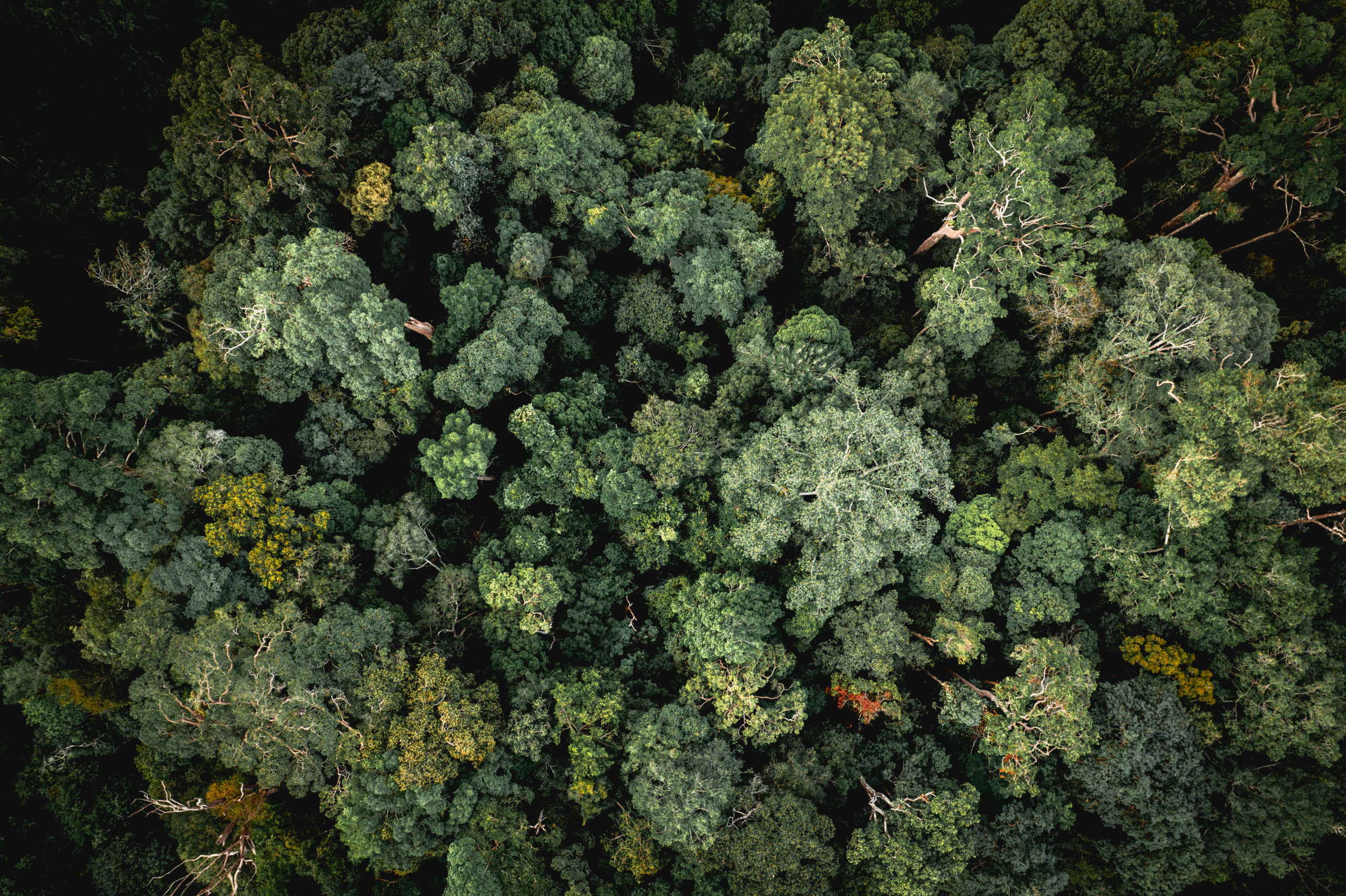
The jaguar is the largest cat in the Americas and the apex predator of an ecosystem that spans millions of acres of tropical forest. Powerful, deeply elusive, and under mounting pressure across its range, it occupies the top of a food web. Its health depends on vast, connected wilderness. In Costa Rica, one of the last viable jaguar populations holds on in the Osa Peninsula — a stretch of Pacific lowland forest considered one of the most biologically rich places on the planet.
This is where Mondo’s Jaguar Monitoring Expedition is based. And it’s where our partnership with Las Oncas takes root.
Who Las Oncas Are
Las Oncas is a Costa Rican conservation organization with a specific focus: the long-term protection of jaguars and other large felines across the Osa. Their approach is grounded in field science, community relationships, and the kind of sustained, unglamorous work that rarely generates headlines but sits beneath every meaningful conservation outcome.
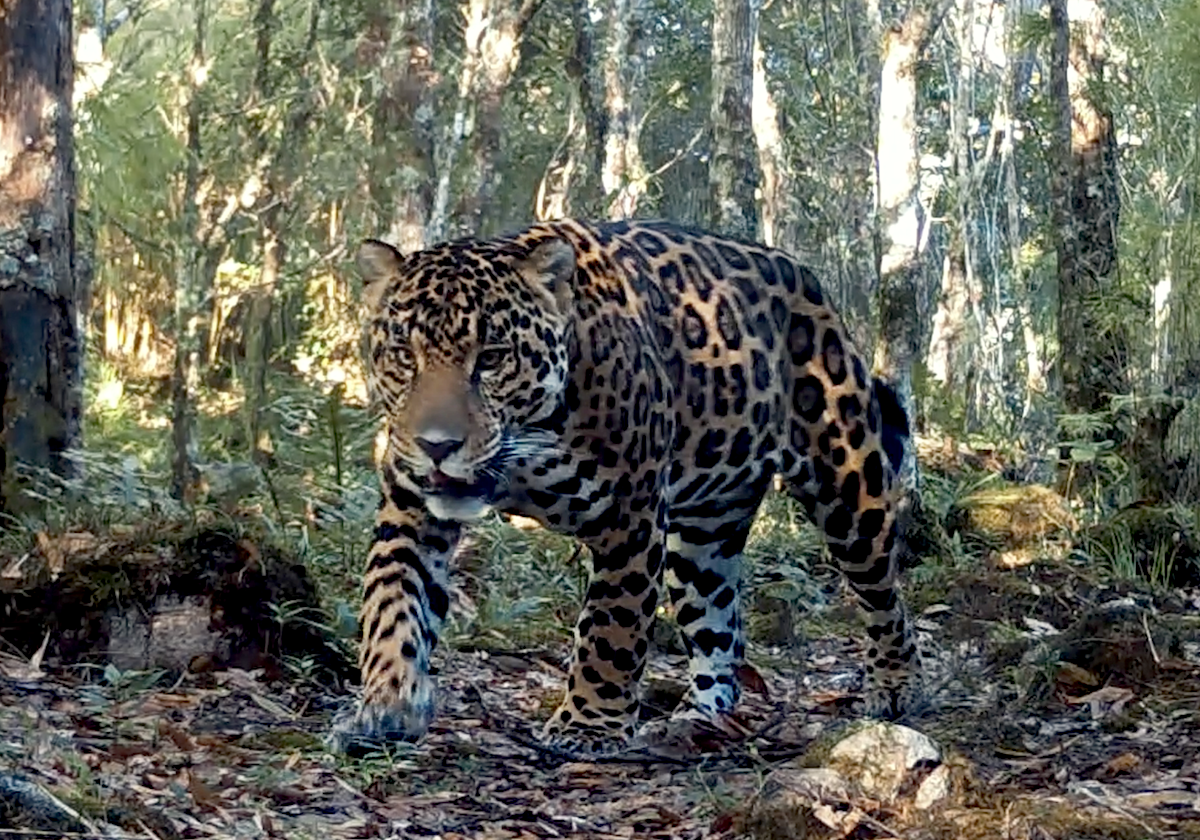
At the center of their operation is an extensive camera trap network deployed across large tracts of primary and secondary forest. Because every jaguar carries a completely unique spot pattern, images captured by these cameras allow researchers to identify individual animals, map the corridors they use to move through the landscape, and build population records over time. It is slow, meticulous work. It is also exactly the kind of work that makes the difference between a species holding on and one quietly disappearing.
What the Work Involves
On the expedition, participants work directly with the Las Oncas field team. Days are structured around deploying and checking camera traps, hiking survey routes through dense forest, and contributing to habitat assessments that document the condition and connectivity of jaguar territory. The physical work of keeping a camera trap network operational, such as hiking to remote sites, swapping batteries and downloading images, is unglamorous but essential.
When a new image comes in, the process of identifying the animal begins: comparing spot patterns against the existing database, logging location and timestamp data, determining whether this is a known individual or a new entry into the record. That moment of recognition — a face emerging from the database, an animal with a history — carries a particular weight that fieldwork veterans describe as one of the more quietly affecting parts of the job.
It should be said plainly that you probably won’t see a jaguar in the wild. That’s the reality of working with a cryptic predator that goes to considerable lengths not to be seen. But you will find their tracks, their territorial markings, the prey species that sustain them. You’ll move through a forest that is shaped, at every level, by their presence. And you’ll understand in a way that’s hard to access from a distance what it actually means to protect a landscape large enough to hold them.
Why It Matters
Jaguars require space on a scale that puts them in direct tension with human land use. As deforestation breaks up habitat and conflict with farming communities pushes populations toward the margins, the data Las Oncas builds is essential ammunition — evidence presented to governments, landowners, and conservation funders to make the case that this landscape is worth protecting.
Joining the expedition means helping build that case, one camera trap at a time.