Most people who care about the natural world carry a version of the same thought: that they’d like to do something meaningful, something that goes beyond reading about the problems and feeling helpless at the scale of them. Fewer people act on it. If you’ve been sitting with that feeling and wondering whether a conservation expedition is the right move, here’s an honest case for why it is.
The Work Is Real
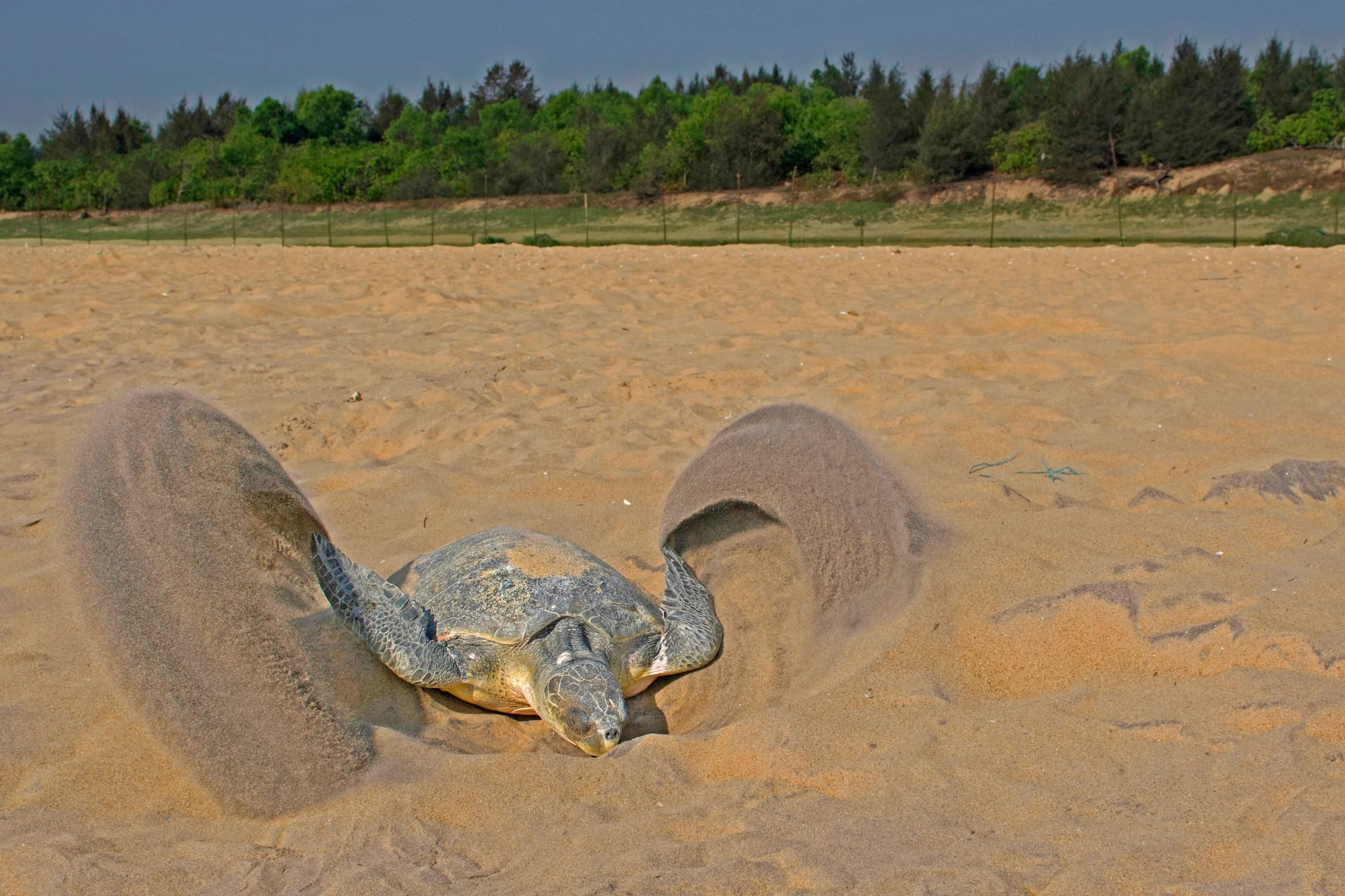
Mondo expeditions are not curated wildlife experiences with a conservation label attached. When you’re checking camera traps for jaguar activity in the Osa Peninsula, cataloguing shark populations with a marine biologist off Playas del Coco, or walking a nesting beach in Tortuguero at midnight to protect sea turtle eggs, you are doing work that the project actually needs. The data you collect feeds into active research. The hours you contribute extend what small, resource-limited teams can accomplish. Your presence has consequences that outlast your time in the field.
That’s a different thing from being a tourist. It takes a little getting used to, and then it becomes the only kind of travel that feels fully satisfying.
You Don’t Need to Be an Expert
The most persistent misconception about expedition work is that it’s reserved for scientists and researchers — that you need a relevant degree or field experience to be of any use. You don’t. Our partner organizations, including Las Oncas, Cloudbridge Nature Reserve, Caño Palma Biological Station, and Rich Coast Diving, have long experience working with volunteers from every background. What they need from you isn’t credentials. It’s attention, reliability, and a willingness to show up fully and do the work in front of you. Curiosity counts for more than qualifications in the field.
Costa Rica Will Change How You See Things
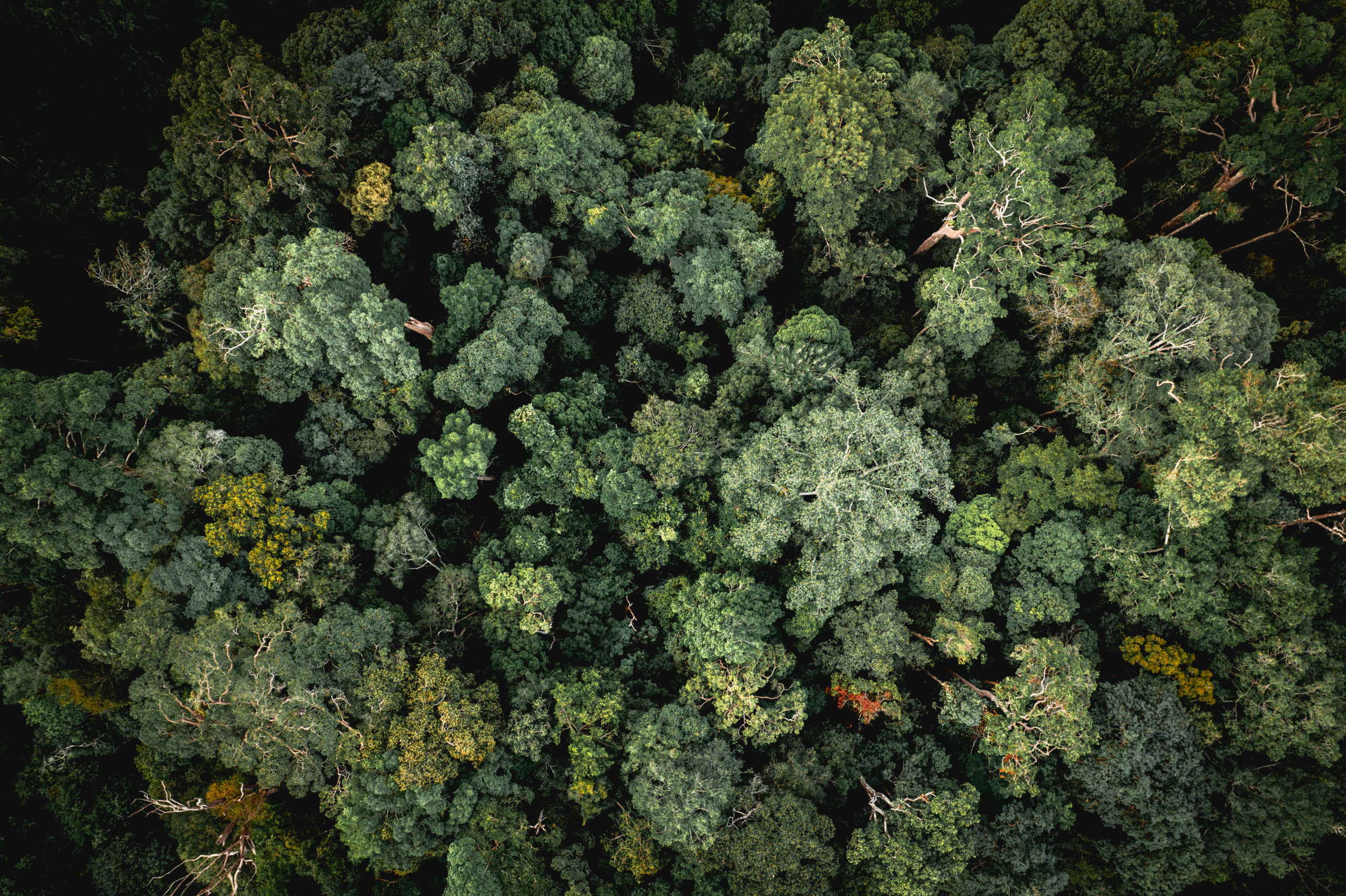
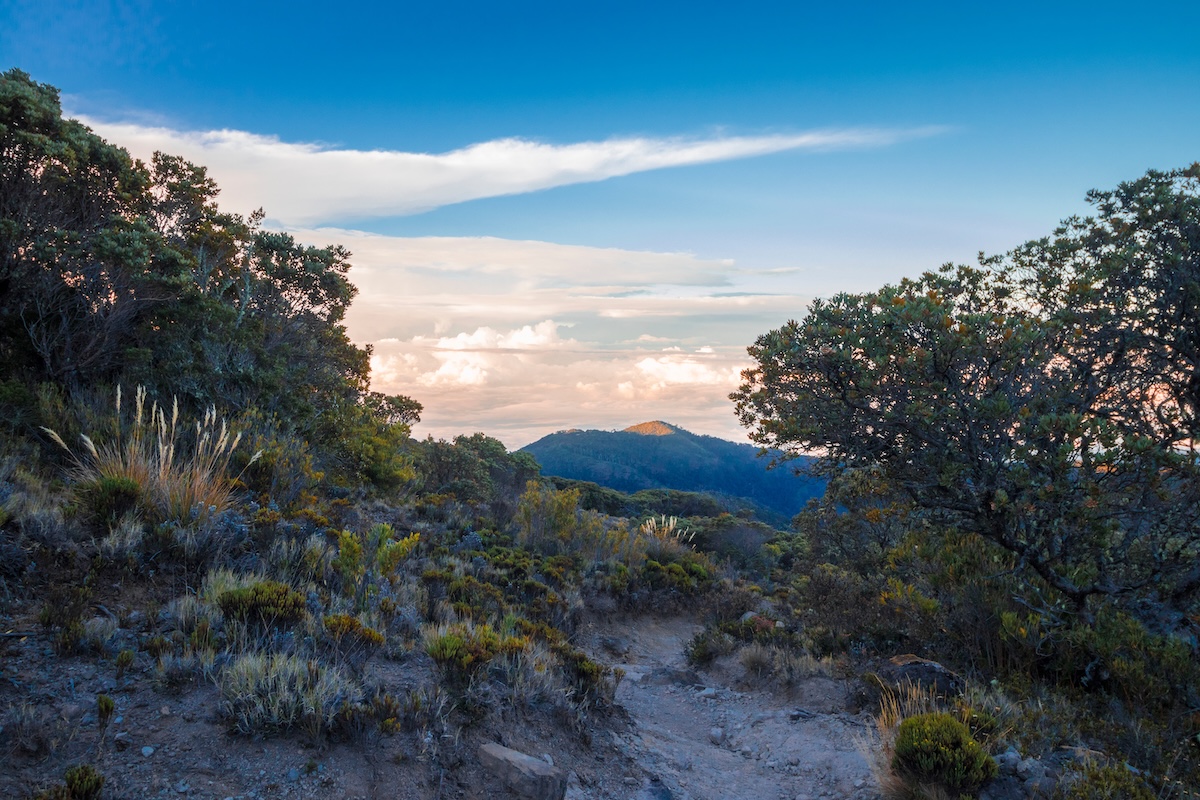
Spending extended time in one of the most biodiverse places on the planet has a way of shifting your reference points. The cloud forests of the Alexander Skutch Biological Corridor, the dense primary rainforest of the Osa Peninsula, the dark nesting beaches of Tortuguero — these places are beautiful in ways that photographs don’t capture, but their significance goes beyond aesthetics. They are complex, irreplaceable systems. Being inside them, working to understand and protect them, changes how you think about what’s at stake in conservation and what it’s actually worth protecting.
That perspective doesn’t fade when you come home. It tends to stay with you and inform the choices you make long after the expedition ends.
The People You’ll Meet
Expeditions attract a specific kind of person — curious, purposeful, and motivated by something beyond the routine. The connections that form in the field, whether with fellow participants, local guides, or the researchers you work alongside, tend to be more durable than most travel friendships. Shared discomfort and shared purpose have a way of building something real, quickly.
Why Now
The ecosystems these expeditions work to protect are under active, ongoing pressure. The researchers and organizations doing this work need support now, not eventually. And the window to experience these places in their current state — and to contribute to keeping them that way — is not guaranteed to stay open indefinitely.
The perfect moment to do something like this rarely announces itself. Come find it in the field instead.