One of the most remarkable things about Costa Rica is how quickly the landscape can change. In a single day, you can travel from lush tropical rainforests to cool mountain cloud forests, cross fertile volcanic valleys, and arrive at pristine Pacific beaches. Despite covering less than 52,000 square kilometres, Costa Rica supports an extraordinary variety of ecosystems — each with its own unique collection of plants and wildlife.
This incredible diversity is one of the reasons Costa Rica has become a global leader in conservation and one of the world’s premier destinations for eco-tourism and wildlife research.
Tropical Rainforests
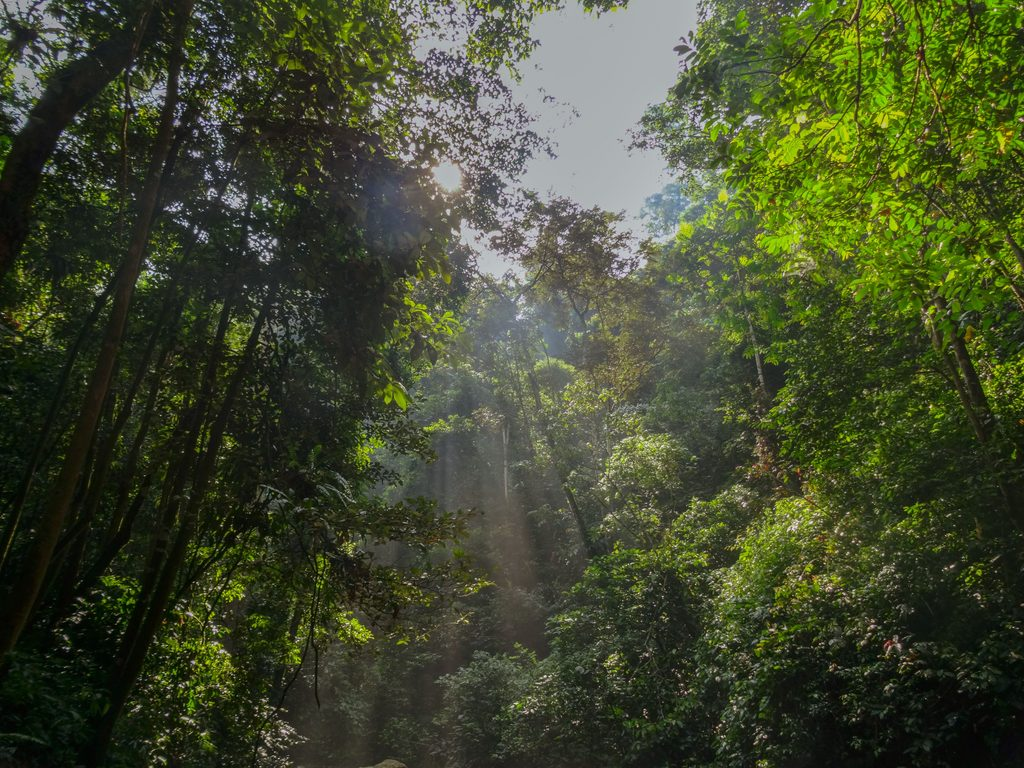
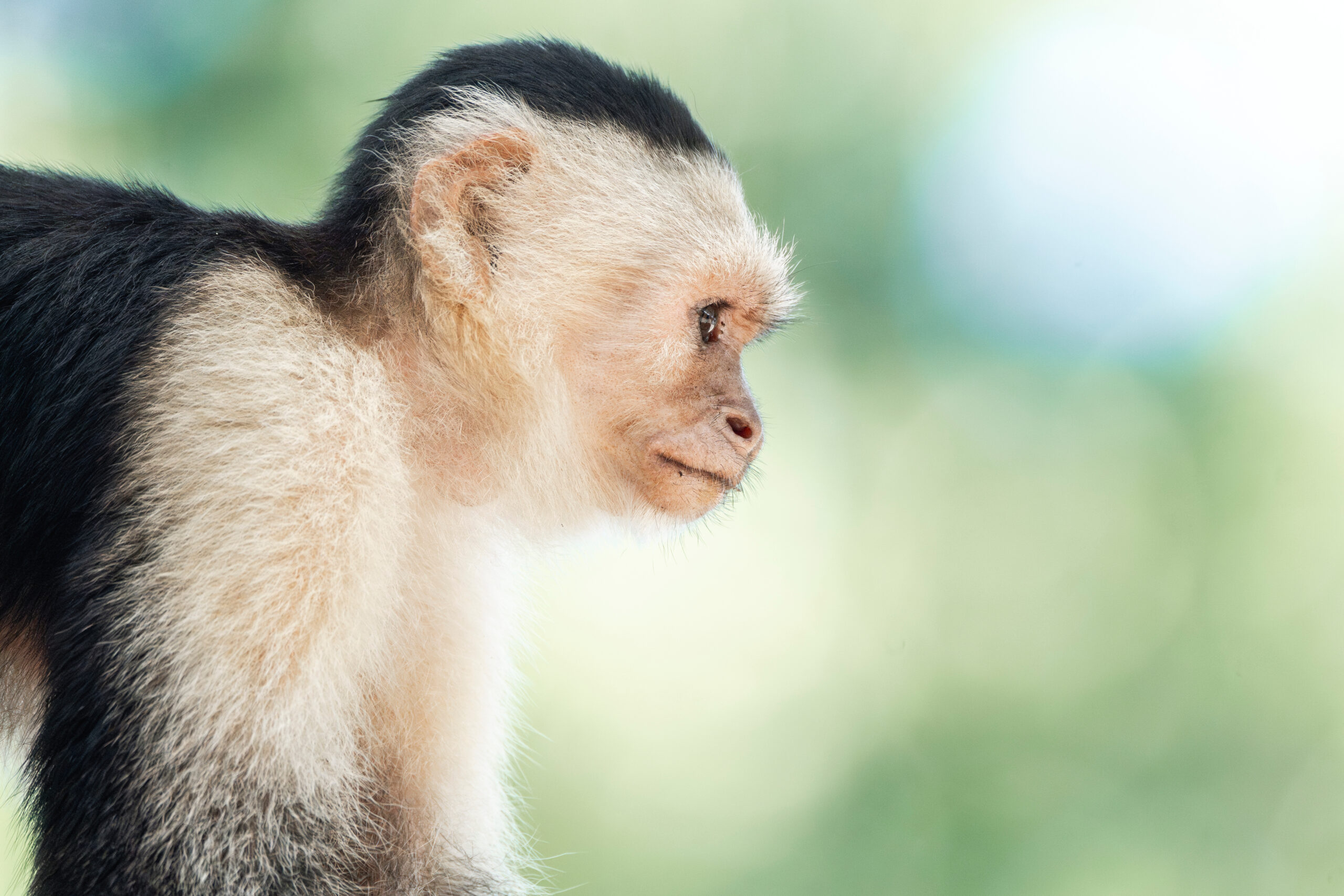
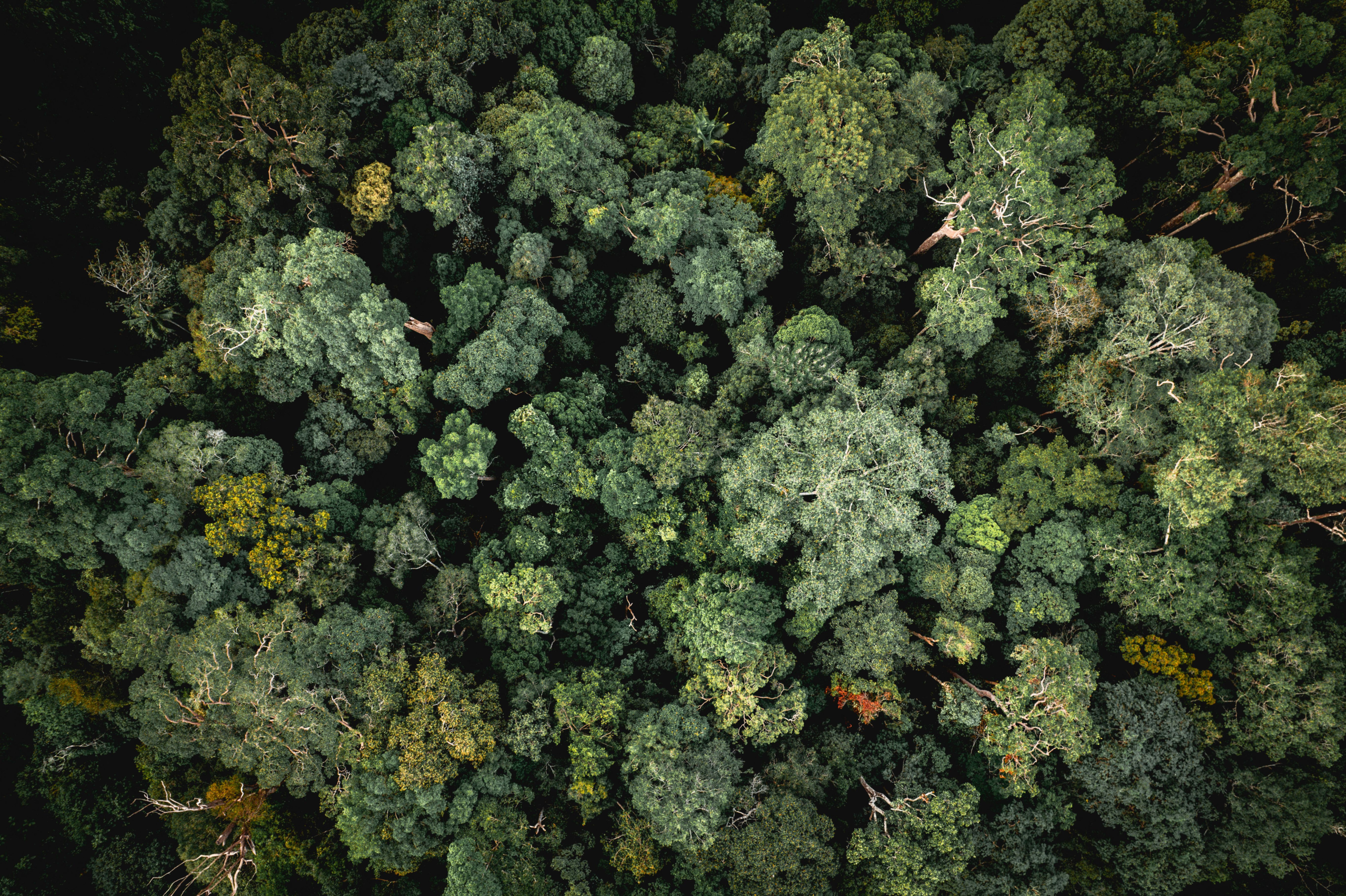
Costa Rica’s tropical rainforests are its most iconic ecosystems. Warm temperatures and abundant rainfall create ideal conditions for an astonishing array of life — towering trees form a dense canopy overhead while monkeys, sloths, frogs, and countless bird species thrive below. These forests are also home to some of Costa Rica’s most elusive wildlife, including jaguars, pumas, ocelots, and Baird’s tapirs. Sightings are rare, but evidence of their presence — footprints, camera trap images, tracks — is a powerful reminder that these forests remain truly wild.
Cloud Forests
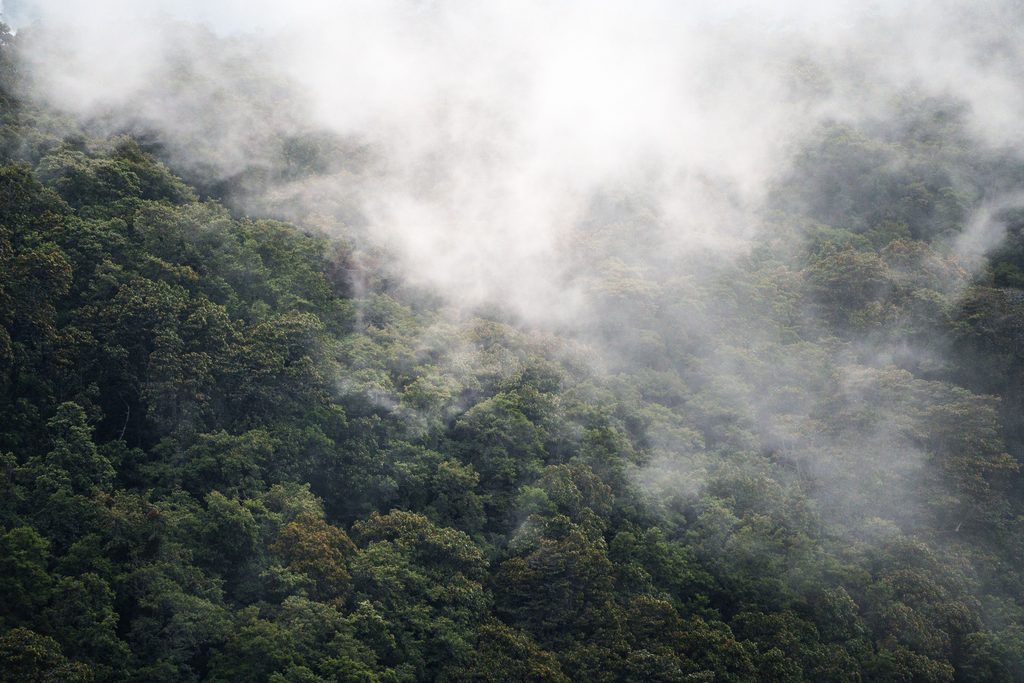
High in Costa Rica’s mountains, a completely different world emerges. Cool temperatures and near-constant moisture create landscapes blanketed in mosses, lichens, orchids, and epiphytes unlike anywhere else in the country. Cloud forests provide critical habitat for many specialised species, including the Resplendent Quetzal — one of Central America’s most sought-after birds. They also regulate water supplies, capturing moisture from passing clouds and feeding rivers that support communities and wildlife far below.
Tropical Dry Forests
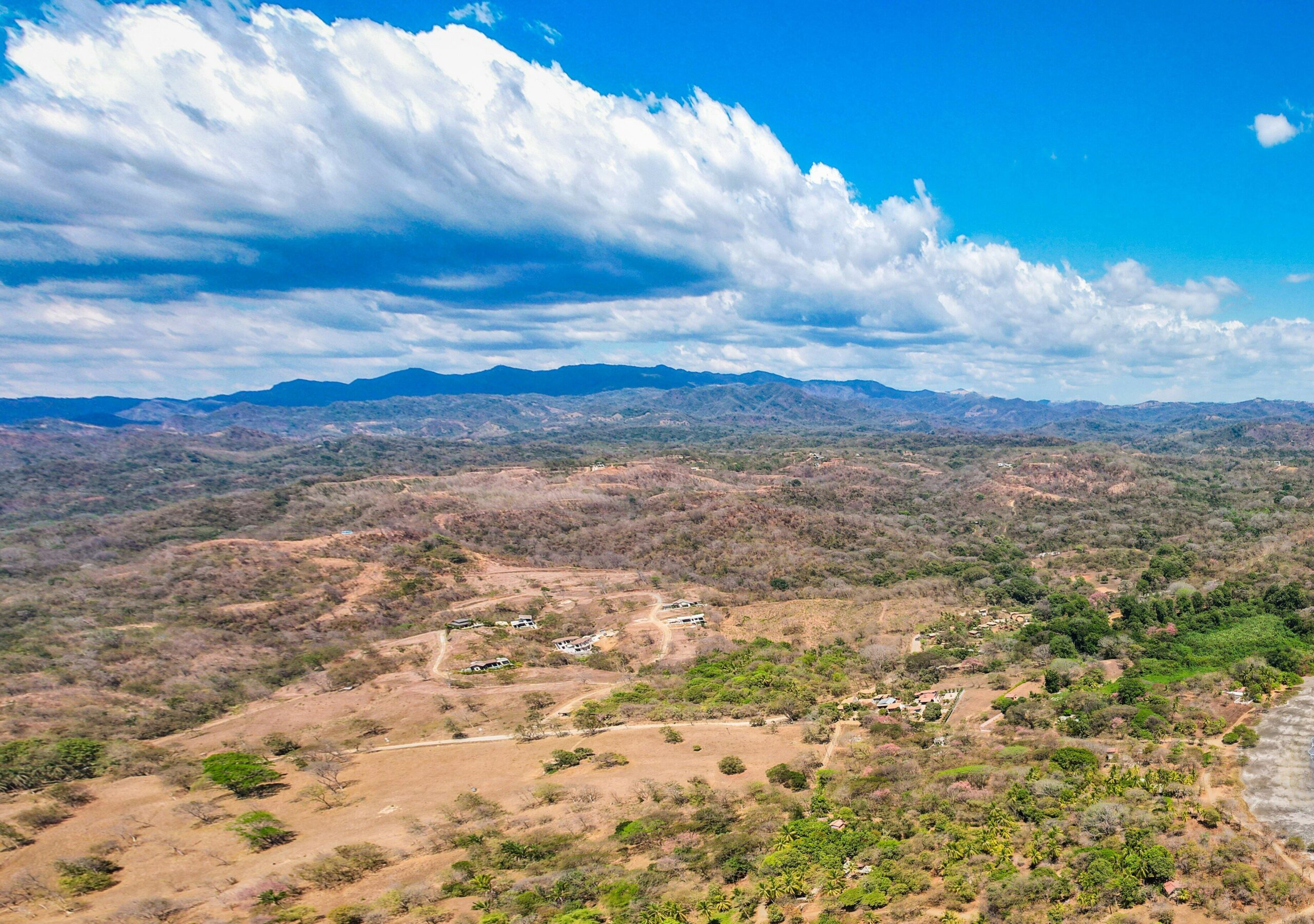
While many visitors picture Costa Rica as perpetually green, parts of the country experience long dry seasons that give rise to tropical dry forests. Many trees shed their leaves to conserve water before bursting back to life with seasonal rains, supporting species uniquely adapted to drier conditions — white-tailed deer, iguanas, monkeys, and a variety of colourful birds. Tropical dry forests are among the world’s most threatened ecosystems, making their protection especially important.
Mangrove Forests
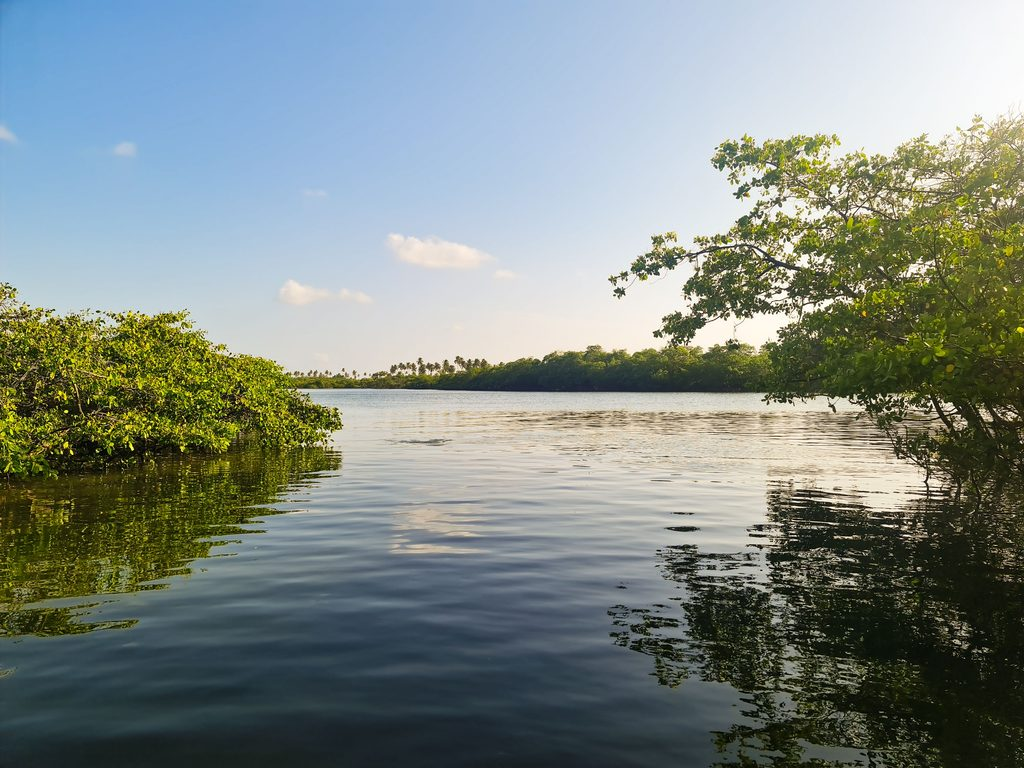
Where rivers meet the sea, mangrove forests form one of Costa Rica’s most productive ecosystems. Their tangled root systems stabilise coastlines, filter sediments, and provide vital nursery habitat for fish, crustaceans, and marine organisms. Mangroves are also excellent places to observe crocodiles, herons, kingfishers, and migratory birds throughout the year.
Marine Ecosystems
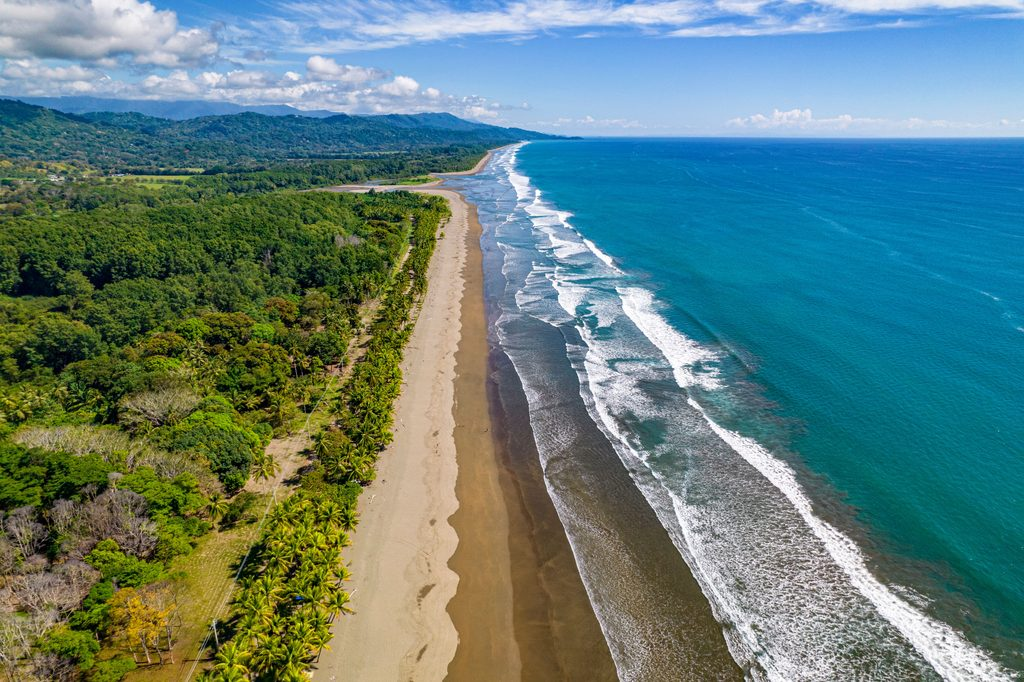
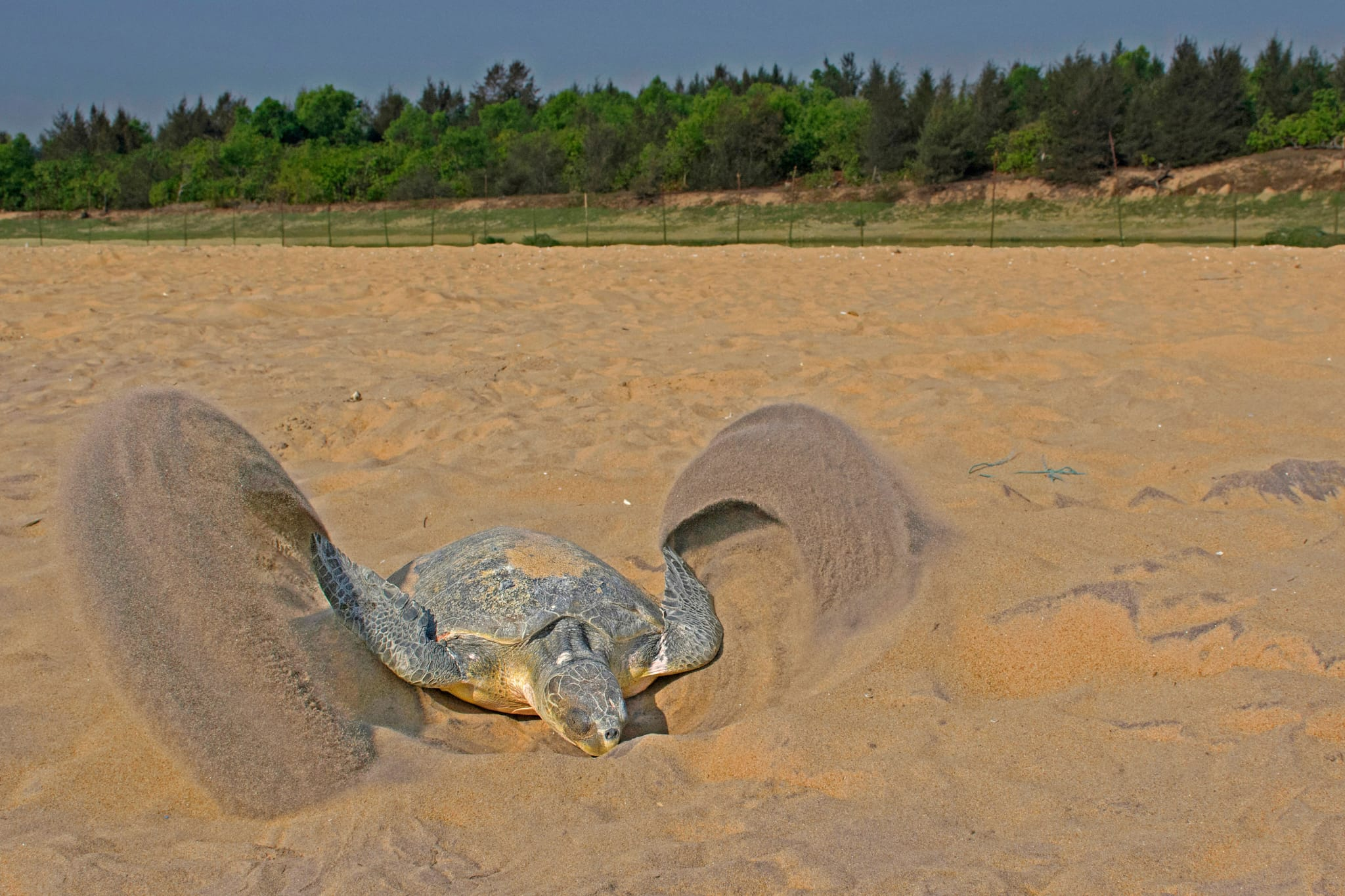
Costa Rica’s biodiversity extends far beyond its forests. Coral reefs, seagrass beds, and open ocean habitats support sharks, rays, sea turtles, dolphins, whales, and countless invertebrates across both the Pacific and Caribbean coasts. These ecosystems are deeply interconnected with coastal forests and mangroves — a reminder of how closely the health of land and sea are linked.
Experiencing Costa Rica’s Ecosystems Firsthand
At Mondo Eco-Expeditions, participants have the opportunity to explore many of these remarkable environments while contributing to meaningful conservation initiatives. From monitoring wildlife in cloud forests to exploring mangroves and studying marine ecosystems, each expedition offers a different perspective on Costa Rica’s extraordinary biodiversity.
Every ecosystem tells a different story. Experiencing them firsthand makes clear why protecting every habitat — no matter how different — is essential for maintaining the connections that allow Costa Rica’s incredible biodiversity to thrive.