Let’s get the obvious question out of the way: Is it safe to dive with sharks?
It is. And the moment you descend below the surface, that question will be the last thing on your mind.
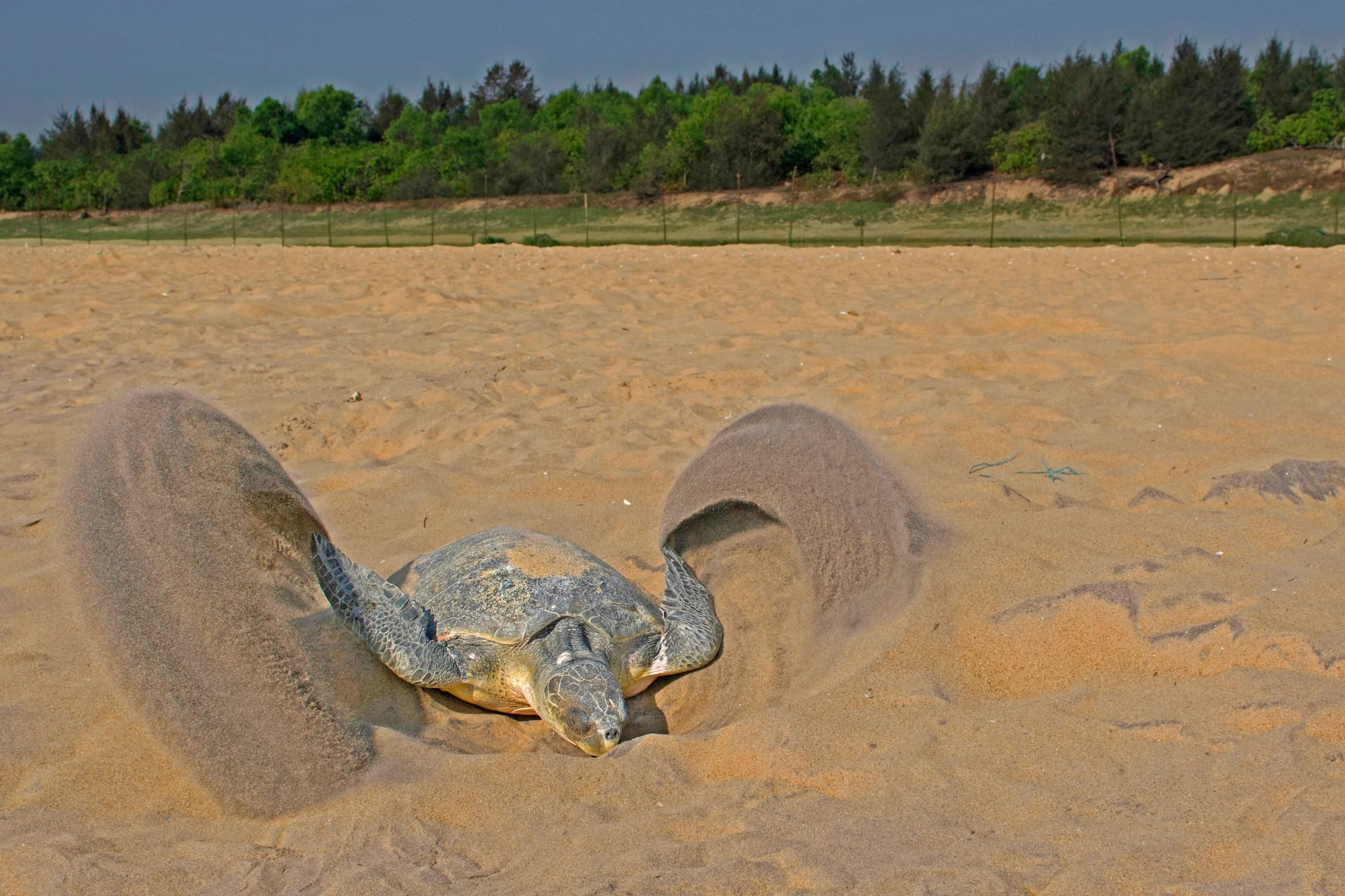
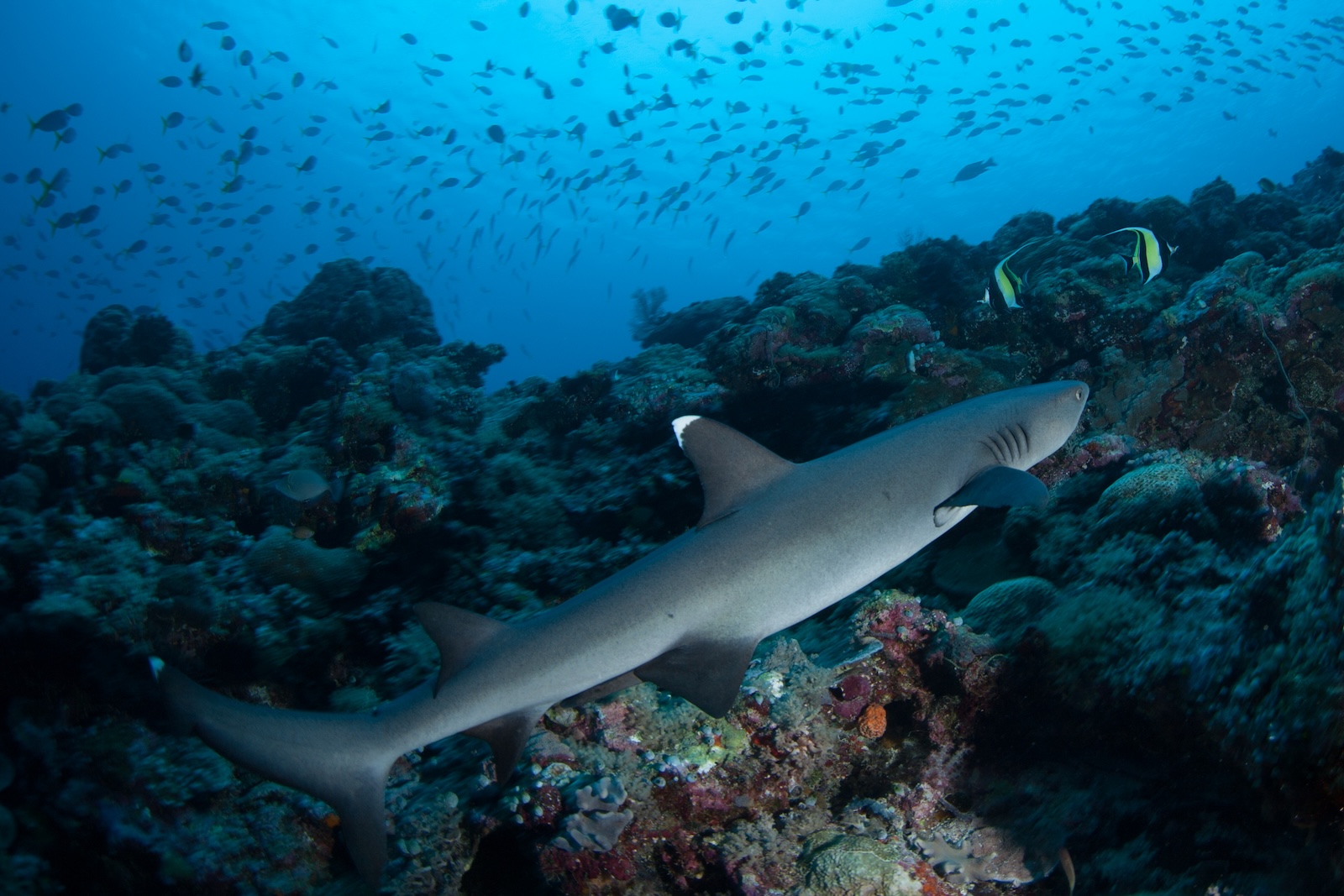
Mondo’s Marine Biology Dive Expedition is based out of Playas del Coco, a small fishing town on Costa Rica’s Pacific coast. The program runs in partnership with Rich Coast Diving and two of the country’s leading marine biologists, and it operates in waters that are, by any measure, extraordinary. A powerful convergence of ocean currents funnels life into these dive sites with striking consistency — bull sharks, white-tip reef sharks, green and hawksbill turtles, eagle rays, manta rays. On a good day, you’ll encounter most of them.
But this isn’t thrill-seeking. This is fieldwork.
A Day in the Water
Every morning starts with a briefing. The marine biologists walk you through which species have been recorded in the area, what behaviors to watch for, and what data the team is actively collecting. By the time you suit up, you’re not just a diver — you’re a contributor to real, ongoing research.
Underwater, the work is focused on population monitoring. You’ll observe and document species, log sightings, and help build datasets that track how shark, turtle, and ray populations are changing over time. You’ll learn to move deliberately and read the water around you. Neutral buoyancy isn’t just good dive practice here — it’s field protocol.
The sharks, when you encounter them, are not what most people expect. There’s no aggression, no drama. What you’ll feel instead is a kind of quiet recalibration — an awareness that you are the visitor here, and that these animals are doing exactly what they’ve always done, in a place that still allows them to do it. Their presence is a sign of a functioning ecosystem. Their absence — which is increasingly common in overfished and degraded waters across the globe — is the real story worth paying attention to.
Why the Data Matters
Marine predator populations have dropped sharply over the past several decades. Sharks, in particular, are among the most vulnerable large animals on the planet — slow to mature, slow to reproduce, and heavily targeted by commercial and illegal fishing operations. The data collected on this expedition isn’t archival. It feeds directly into active research used to make the case for marine protection zones and to shape sustainable fisheries policy in Costa Rica.
Every sighting you record adds to a body of evidence that scientists and conservationists use in real advocacy work. That’s a meaningful thing to be part of.
What You’ll Take Home
Participants leave with a deepened SSI certification and a working understanding of marine ecosystem dynamics that no classroom can replicate. You’ll understand why apex predators matter, how researchers track population health, and what’s actually at stake in the ongoing effort to protect these environments.
You’ll also leave with something harder to quantify: the memory of hovering motionless at thirty feet while a bull shark moves through the blue below you — unhurried, unbothered, completely at home. That image tends to stay with people.
It’s the kind of thing that changes how you think about the ocean, and what we stand to lose in it.