The alarm goes off at 5:45am. The forest doesn’t wait.
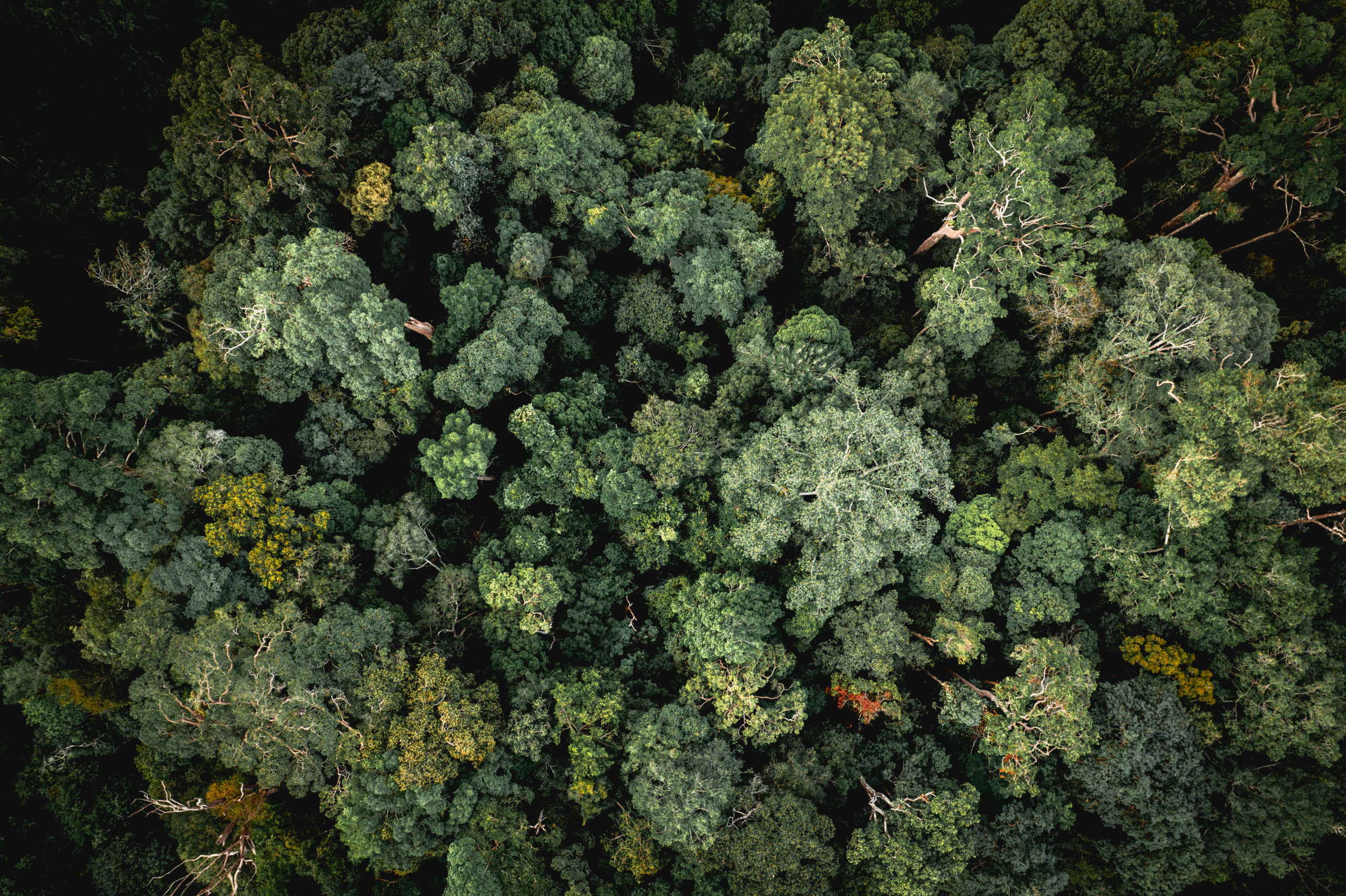
By the time you’ve pulled on your field clothes and stepped outside, the canopy above Cloudbridge Nature Reserve is already in full voice. Birds you’re only beginning to identify, insects, the low rustle of something moving through the undergrowth. Mist sits heavy on the ridgelines, and the first pale light is just starting to push through the trees. You pour a coffee, check your kit, and head out into the field.
Morning: Transects and Unexpected Encounters
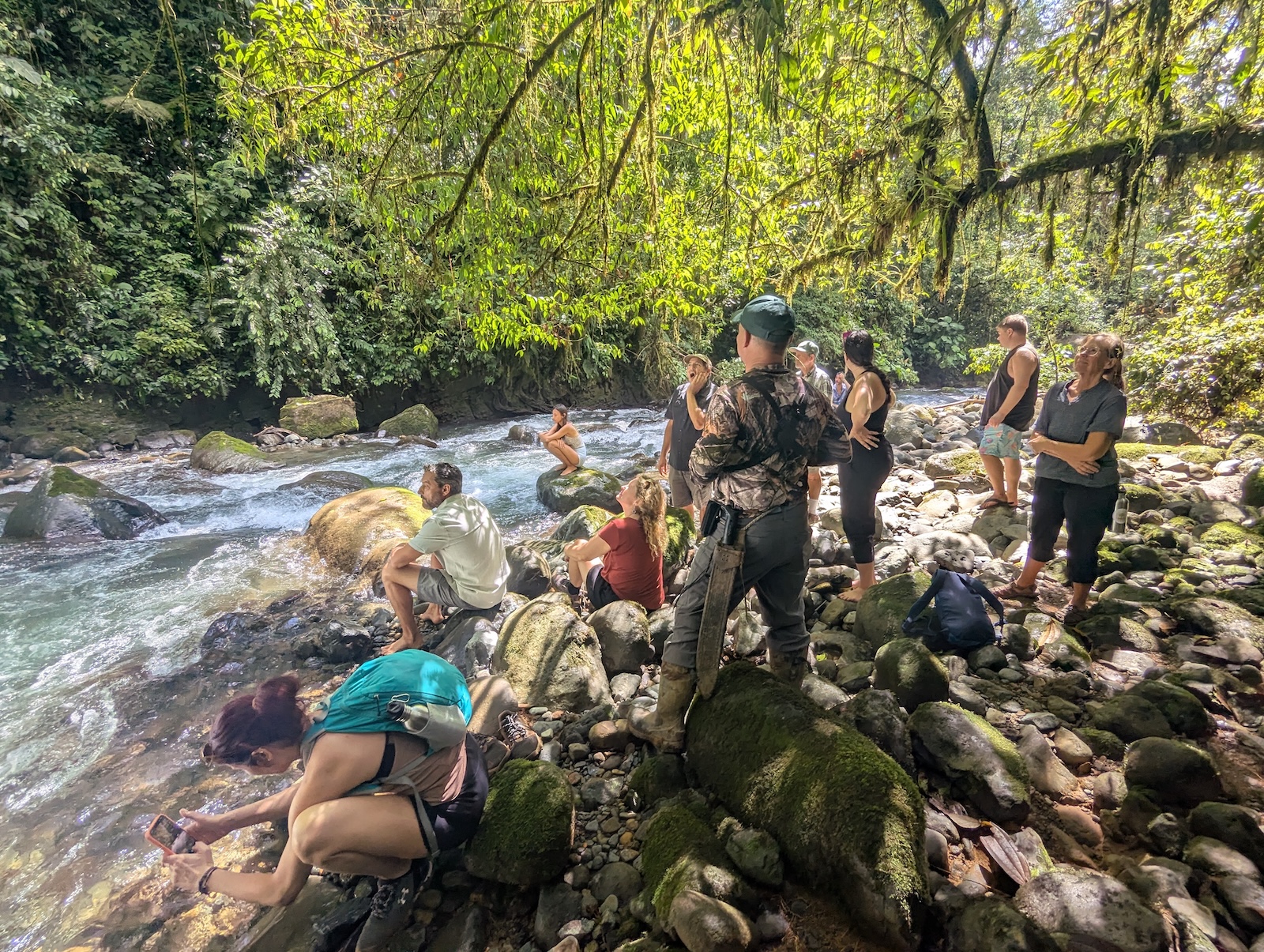
The day’s first work is transect surveys — structured walks along mapped routes where every bird, mammal, reptile, and trace of wildlife gets carefully logged. The methodology is precise and deliberate, but the experience is anything but routine. Cloud forests have a way of rewarding patience with moments that stop you cold: a Collared Trogon sitting motionless in the mist twenty feet off the trail, or a set of fresh Paca tracks pressed cleanly into the mud beside a stream, still filling with water.
This is serious fieldwork. Every observation recorded at Cloudbridge feeds into long-term biodiversity datasets that researchers use to track how species populations shift across seasons and years. These data directly inform conservation planning throughout the region. By mid-morning, your notebook is full. Your attention, which most of us spend most of our lives dividing, has been forced into sharp focus. That, in itself, is worth something.
Afternoon: Chocolate, Community, and What Conservation Really Looks Like
After lunch, the expedition moves off-reserve and into the Alexander Skutch Biological Corridor for a visit to a sustainable cacao farm — and this, unexpectedly, becomes one of the most grounding parts of the whole experience.
Conservation at this scale isn’t only about what happens in the forest. It’s about the communities living alongside these ecosystems, the economic pressures they face, and the land-use decisions that will ultimately determine what survives. At the farm, you’ll see how cacao is grown, harvested, and processed using methods designed to support both local livelihoods and ecological integrity. You observe shade-grown crops that maintain canopy cover, a practice that keeps wildlife corridors functional rather than fragmenting them.
The farm tour is part chocolate tasting, part education, part perspective adjustment. Protecting a biological corridor like this one depends as much on sustainable agriculture and genuine community investment as it does on field surveys. Seeing that firsthand changes how you think about what conservation work actually involves. You head back to the reserve with a clearer picture of the whole system.
Evening: The Forest After Dark
By late afternoon, Cloudbridge has shifted into something else entirely. The species you’ve been tracking all day recede, and a different cast takes over. Night surveys reveal a forest that feels almost unrelated to the one you walked through at dawn — frogs calling from every pool and drainage ditch, enormous moths drawn to lamplight, the occasional bright eye-shine at the treeline that appears, holds your gaze for a moment, and disappears.
There’s a particular quality to exhaustion at the end of a day like this. It’s not the drained, depleted kind. It’s the exhaustion that comes from sustained, genuine attention, from spending hours noticing things, recording them, trying to understand what they mean.
By the time you’re back at the station, you’ll understand something that’s almost impossible to communicate before you’ve felt it yourself: that immersive time in wild places doesn’t satisfy the urge to be in them. It deepens it.
The cloud forest has that effect on people.